

The Cellar › Producer Spotlight
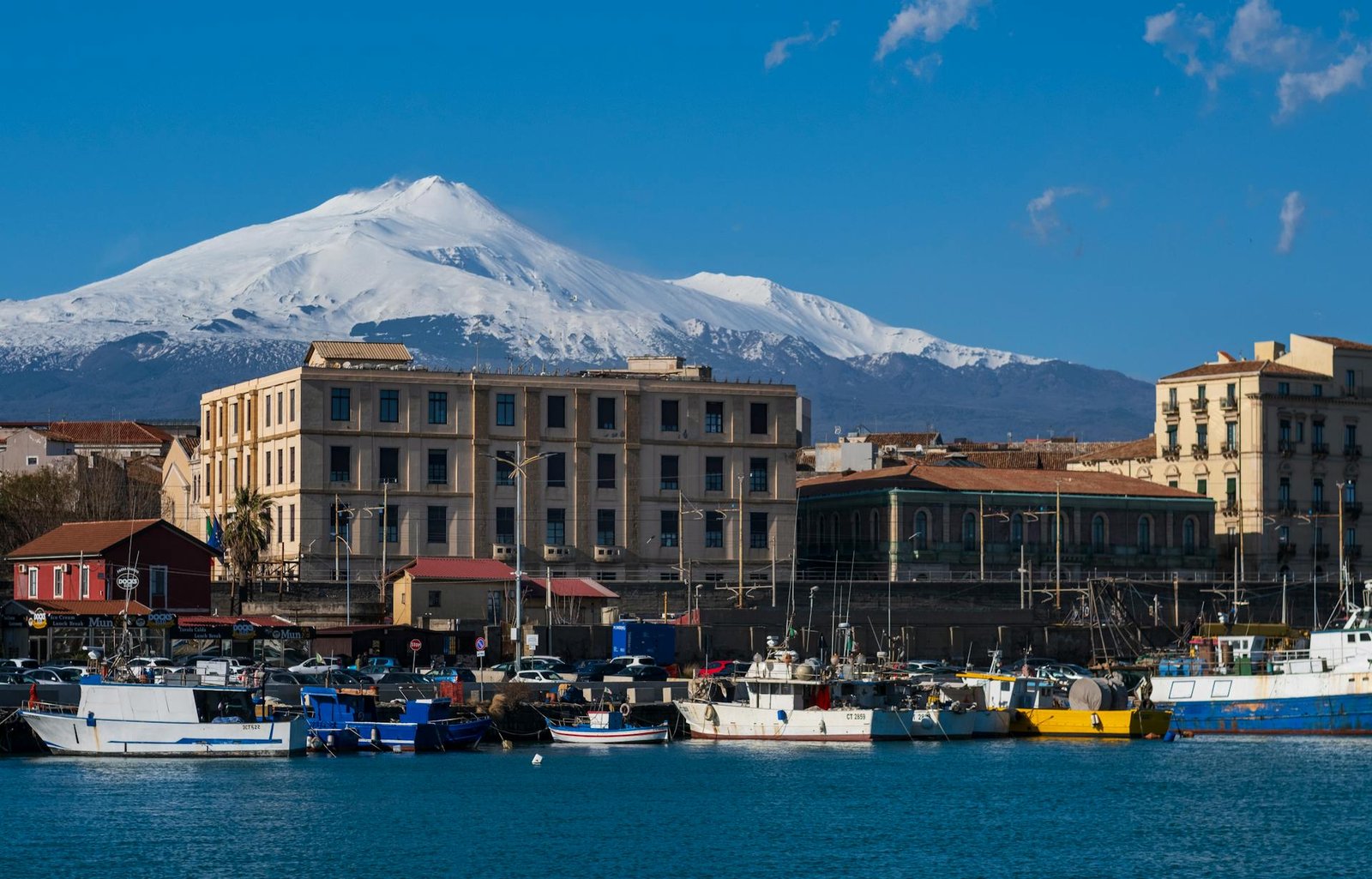
Producer Spotlight · March 2026
Tenuta delle Terre Nere
Where Burgundy meets a live volcano
Etna, Sicily · Est. 2002 · Winemaker: Marco de Grazia
Marco de Grazia spent decades as one of Italy’s most influential wine importers before he ever made a bottle of his own. In the 1980s and 90s, he was the broker who helped introduce the world to single-vineyard Barolo, working alongside producers like Elio Altare and Roberto Voerzio during Piedmont’s modernist revolution. Then, in 2000, he bought land on the northern slopes of Mount Etna and started over. At the time, eight winemakers worked the volcano. Today there are over 170. De Grazia was not the first, but he was the one who made the world pay attention.
The estate sits at elevations between 600 and 1,000 meters on Etna’s northern face, where the soils are volcanic in the most literal sense: layers of pumice, basalt, and ash deposited by eruptions over millennia. The dominant red grape is Nerello Mascalese, a variety often compared to Pinot Noir for its translucent color, aromatic complexity, and sensitivity to site. De Grazia recognized early that Etna’s contrade — the local term for named vineyard sites, analogous to Burgundy’s climat system — produced wines of dramatically different character depending on elevation, exposure, and the age of the lava flow beneath. He was the first producer to bottle single-contrada wines, turning what had been a bulk-wine footnote into one of the most exciting terroir stories in European wine.
“I’m not trying to make wines that taste like Burgundy. I’m trying to make wines that express what this volcano gives — and it turns out, the volcano has a lot to say.”
— Marco de Grazia
The Contrade
Terre Nere farms vineyards across nine of Etna’s 142 recognized contrade, producing around 70 separate micro-vinifications of Nerello Mascalese and 25 of Carricante (the principal white grape). The estate-level Etna Rosso blends fruit from multiple sites into a wine of approachable elegance. But the single-contrada bottlings are where the real conversation begins: Calderara Sottana, at 620 meters, produces structured, mineral-driven reds from soils rich in pumice and basalt. Feudo di Mezzo, slightly higher, leans toward aromatic complexity and fine-grained tannins. The pre-phylloxera bottling, from ungrafted vines over 140 years old in Calderara Sottana, is produced in quantities of just 4,000 bottles and represents one of Etna’s most singular wines.
Why Terre Nere Matters
There is a reason this is TERROIR’s first Producer Spotlight. In a landscape where Etna has become fashionable, Terre Nere remains the reference point. The winemaking is organic, deliberately restrained: 10–15 day maceration, aging in 25% new French oak, bottling at 18 months. De Grazia describes his approach as asking the right questions so the vineyard expresses itself. The entry-level Etna Rosso at around $28 is one of the great values in Italian wine. The single-contrada wines, from $46 to $75, reward anyone willing to taste what a live volcano can put in a glass.
Shop the Producer
Explore Terre Nere
Nerello Mascalese
Etna Rosso 2023
Etna, Sicily
The estate blend. Multiple contrade, one conversation: translucent ruby, red cherry, dried herbs, volcanic mineral lift.
Nerello Mascalese
Etna Rosso Calderara 2022
Etna, Sicily
Single contrada. Pumice and basalt soils give structure and mineral tension. Dark cherry, iron, wild herbs, and lingering smoke.
Nerello Mascalese
Etna Rosso Calderara Sottana 2022
Etna, Sicily
The grand cru. Home to pre-phylloxera vines over 140 years old. Layered, persistent, with volcanic mineral depth.
Purchases through these links help support TERROIR at no extra cost to you.
The TERROIR Letter
The Cellar, Delivered
Monthly selections and a weekly Subscriber’s Pick — curated bottles that never appear on the site.
The next one arrives Thursday.
Vintage intelligence, producer profiles, and curated cellar picks — before the critics weigh in. Weekly dispatch.