

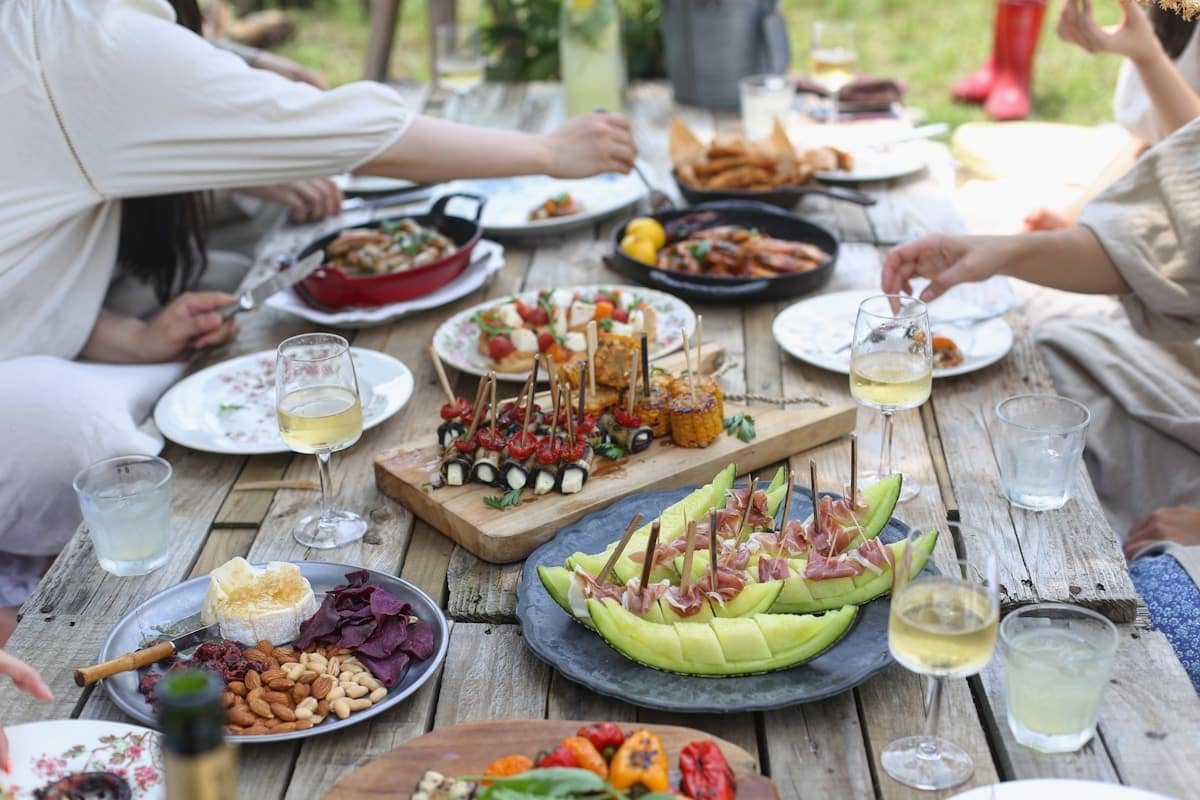
Tonight’s dinner might be green curry from the place around the corner, or bulgogi sizzling on a tabletop grill, or fish tacos with a salsa verde that has no intention of being subtle. And somewhere on the table, or perhaps still on the counter, waiting for someone to make a decision, is a bottle of wine that has no idea what it’s about to meet. Wine pairing with global cuisine was an afterthought for the people who wrote the rules.
The classic pairing rules offer little help here. Red with meat. White with fish. What grows together goes together. These axioms were built for a world where the food on your plate and the wine in your glass came from the same few hundred miles of earth, where Chianti met wild boar and Muscadet met oysters and nobody had to think very hard about it.
They were never wrong. They were just incomplete.
The Rules Were Built for One Table
The traditional wine pairing canon developed through what Anna Lee C. Iijima, writing in Wine Enthusiast, describes as “largely Eurocentric perspectives.” The rules codified over generations weren’t universal truths about flavor; they were local realities. Sake wasn’t available in the Loire, and Barossa Shiraz wasn’t pouring in Tuscany. People drank what was nearby with what was nearby, and over time those pairings became gospel.
The problem is that most Americans today eat far beyond those borders. We seek out sushi as often as steak and crave tacos alongside, or filled with, Korean barbecue. Cha McCoy, author of “Wine Pairing for the People”, argues that wine pairing with global cuisine demands a complete rethinking: not tweaking the old rules to accommodate a Thai curry, but starting from flavor itself. The question isn’t which wine “goes with” pad thai. The question is what happens when sweetness meets acid meets heat, and which wine wants to be part of that conversation.
Five Tables, Five New Languages
Thai. The challenge with Thai food is that it does everything at once: heat, sweetness, herbs, acid, and it does it loudly. High-tannin, oak-heavy wines collapse under the weight; high alcohol turns chili heat into something closer to punishment than pleasure. The move is an off-dry Riesling, whose natural acidity lifts the lemongrass and galangal while a whisper of residual sugar tempers the burn. For something less expected, try sparkling wine: the bubbles slice through bold flavors with an ease that still wines rarely manage, and that faint sweetness rounds out the heat like a cool cloth on a warm forehead.
Korean. Kimchi, tangy, pungent, alive with fermentation, finds a natural partner in herbaceous Sauvignon Blanc, whose grassy acidity mirrors the pickle’s own sharpness. But the real revelation is at the grill. Bulgogi’s sweet-smoky soy marinade is a gift to Chianti or American Zinfandel, wines with enough bright acidity to match the sugar in the marinade and enough fruit to complement the char. And for the adventurous: Champagne with gochujang-glazed pork belly. The high acidity and effervescence stand up to the fermented chili paste in a way no still wine can match.
Mexican. The mistake most pairing guides make with Mexican food is treating it as one cuisine. A fish taco with salsa verde, all lime, cilantro, and tomatillo, wants Albaríño or Sauvignon Blanc, something with citrus and minerality to mirror what’s already on the plate. But mole, that magnificent dark tangle of chiles, chocolate, and spice, demands fruit-forward reds: Zinfandel or Barbera, wines with the body to embrace the complexity. McCoy takes an unexpected path: pairing General Tso’s chicken not with the default Riesling but with a Spanish Rosado, a choice that prioritizes texture and fruit over the well-worn “sweet wine with spicy food” formula.
Indian. Here is where wine pairing with global cuisine breaks most dramatically from the old canon. In Indian cuisine, the spice overrides the protein completely; a lamb curry and a lamb chop need entirely different wines. The non-negotiable principle: low alcohol. Anything above 13 percent will amplify the capsaicin burn into something punishing. An off-dry German Riesling, eight or nine percent alcohol, razor-sharp acidity, the faintest sweetness, is among the most compelling choices for vindaloo or a fiery dal. For cardamom-heavy dishes and aromatic curries, Gewürztraminer creates a kind of aromatic mirror, its lychee and rose petal notes meeting the spice on its own terms.
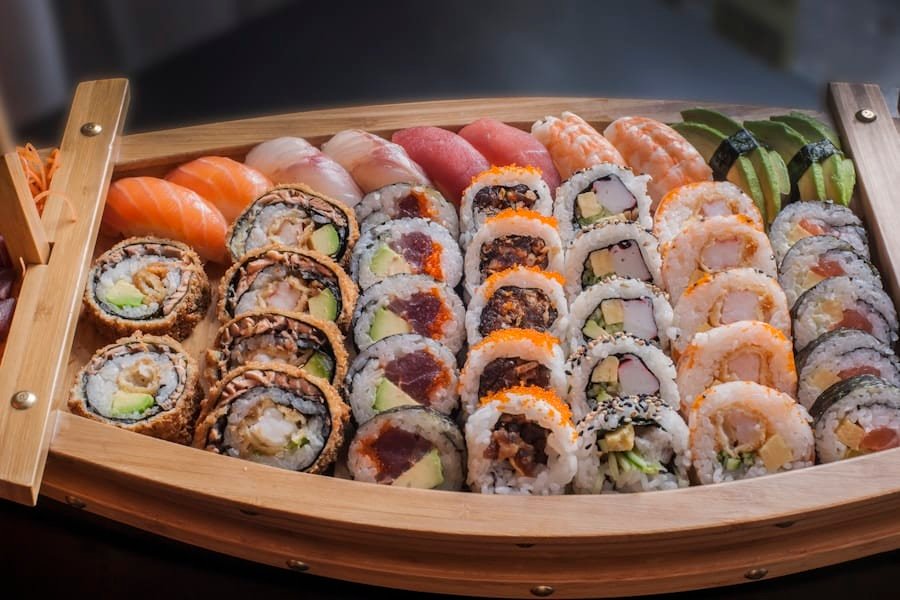
Japanese. Soy sauce and wine are both products of fermentation, and there is a shared language between them, a vocabulary of tang, umami, and controlled transformation. Chablis, with its mineral backbone and crisp precision, slices through tempura batter the way a good knife moves through fish. For the umami depth of tonkotsu ramen, reach for a Southern Rhône red, Syrah-based blends with savory, peppery depth, where the wine’s own weight meets the broth on equal footing. And perhaps the most surprising pairing in this category: fatty tuna sashimi with a delicate Burgundy, a village-level Pinot Noir whose silken texture and cherry undertones meet the fish’s richness without overwhelming its subtlety.
What to Pour Instead
Wine pairing with global cuisine calls for a different set of fundamentals. Forget the old rules. Carry these instead.
Lead with the sauce, not the protein. A lamb curry and a grilled lamb chop live in different flavor universes. The curry needs a wine that handles heat and spice; the chop needs one that handles fat and char. The protein is the same. The wine should not be.
Heat demands humility. When a dish brings fire, the wine needs to lower its voice. That means less alcohol, more acidity, and, when it works, a touch of sweetness. Leave the 15 percent Napa Cabernet on the shelf. This is a job for restraint.
Trust fermentation. Kimchi, miso, pickled jalapeños, soy sauce: fermented foods share a molecular kinship with wine. They speak a common language of tang and funk and controlled decay. When in doubt, let fermented meet fermented.
The old pairing canon was never wrong. It was a love letter to one table, a French one, an Italian one, and it was beautiful. But your table is different now. The best pairing isn’t the one that follows the formula. It’s the one that makes the next bite better.
Pour something unexpected tonight.
Hero image by Stephanie McCabe. Sushi image by Lavi Perchik.
The next one arrives Thursday.
Vintage intelligence, producer profiles, and curated cellar picks — before the critics weigh in. Weekly dispatch.